iPhone (the Ternus era)
John Ternus took over iPhone hardware in 2020, under Tim Cook. Five years later, the iPhone went through its most complete formal reinvention since the iPhone X: USB-C, titanium, Dynamic Island, periscope camera. All under his direction.
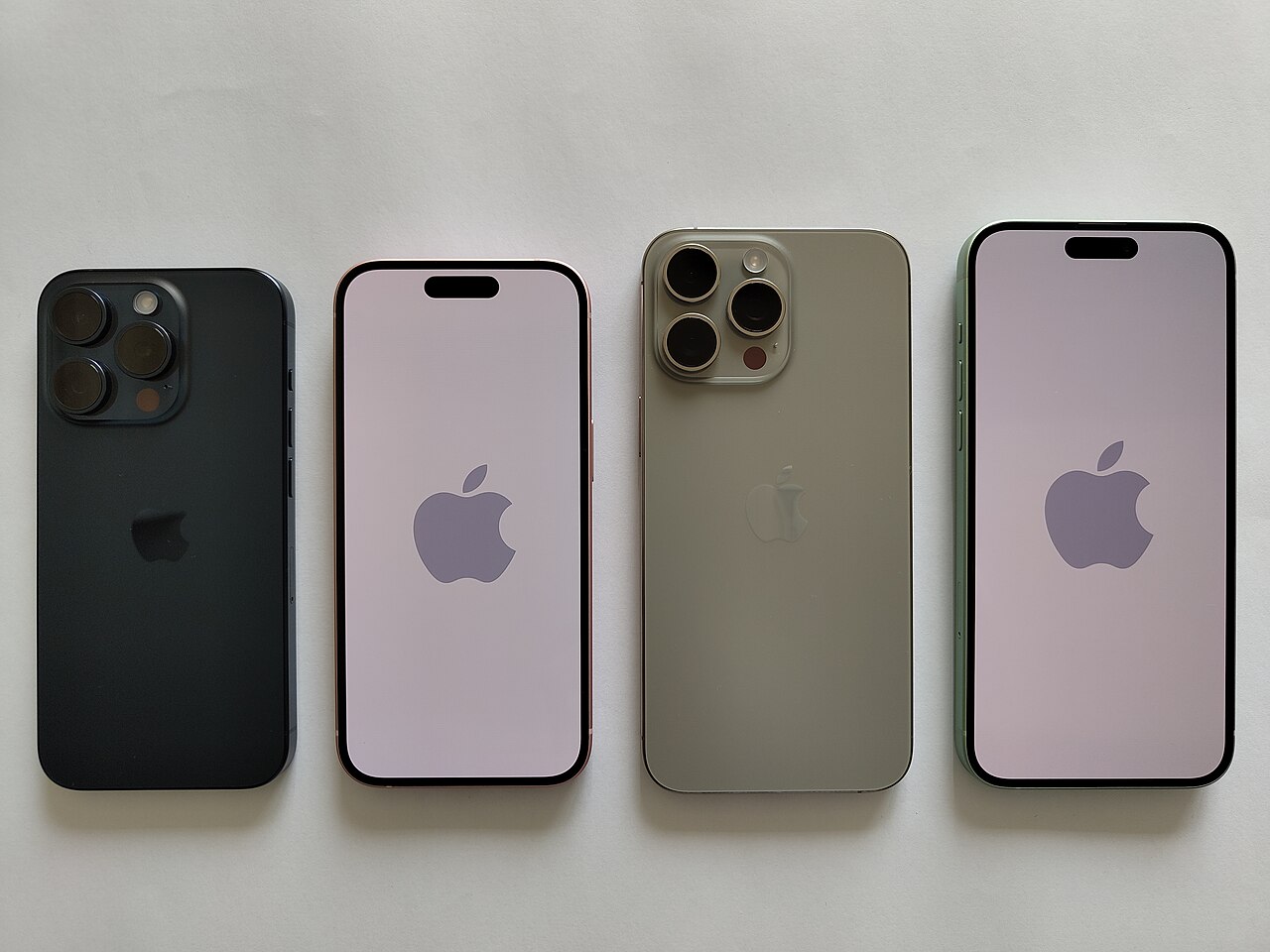
In 2020, Tim Cook handed John Ternus what was perhaps the most delicate hardware seat at the company: the iPhone division. Before that moment, iPhone hardware reported directly to Dan Riccio. Five years later, the iPhone went through its most complete formal reinvention since the iPhone X (2017): USB-C, titanium, Dynamic Island, periscope sensor, and what came to be known as “iPhone Pro mode” — a deliberate feature-set divergence between tiers.
This page is the record of iPhone under Ternus.
The handoff from Riccio (2020)
The iPhone handoff happened without corporate fanfare. There was no dedicated press release. It was an internal decision that signaled — to those paying attention — who would be the next SVP of Hardware Engineering when Riccio left. Riccio was promoted to “VP of Special Projects” shortly after, and Ternus became the single hardware point for iPhone, iPad, Mac, AirPods, and Watch.
The first iPhone generation Ternus directed in full was the iPhone 12 (October 2020). Not coincidentally, it was the first formal iPhone reinvention since iPhone X.
iPhone 12 — the flat-edge redesign
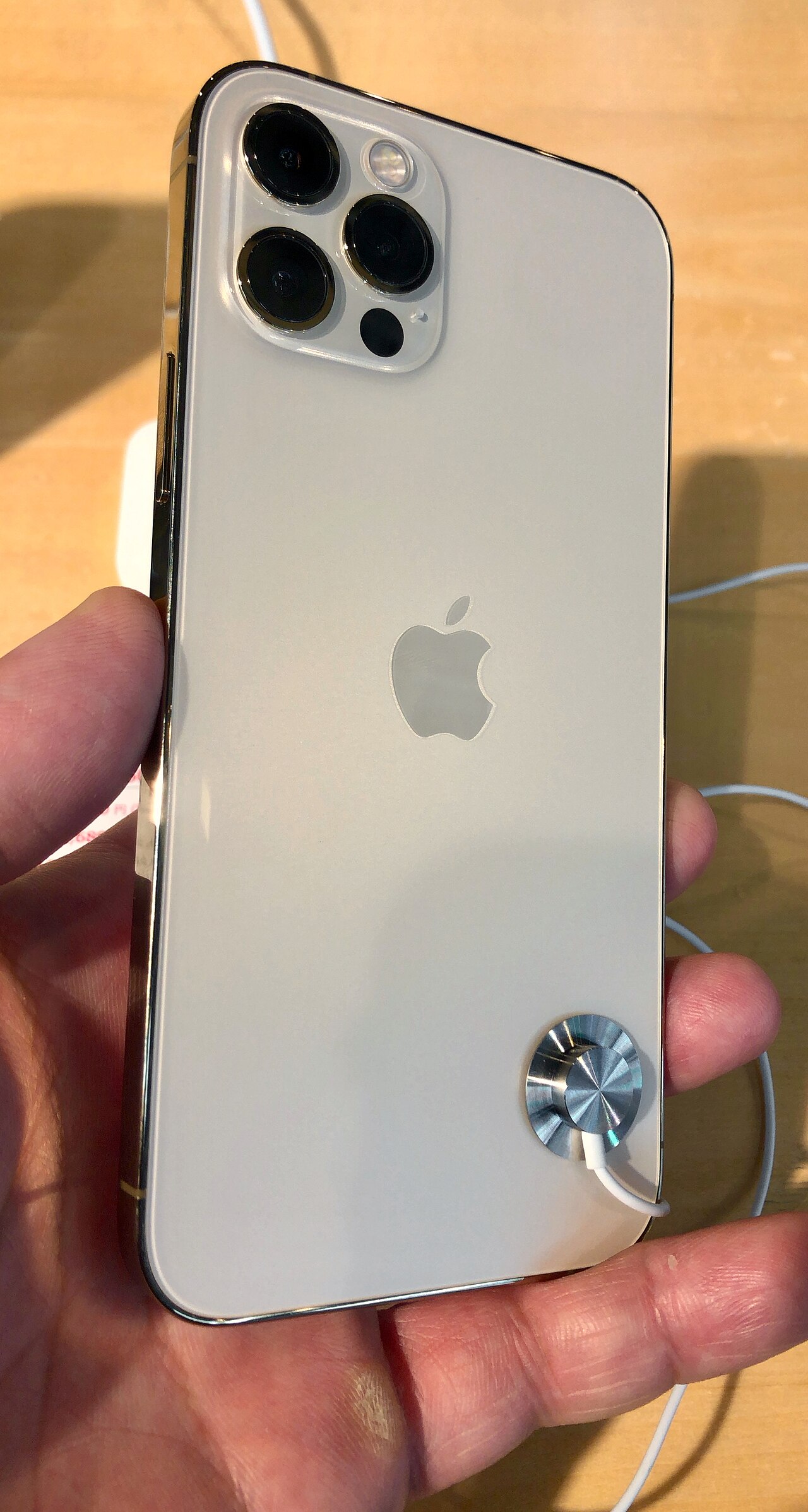
iPhone 12 brought three simultaneous changes:
- Flat edges in aluminum (Pro) or stainless steel (Pro Max). The formal vocabulary of the 2018 iPad Pro — which Ternus introduced on stage in Brooklyn — finally arrived on iPhone with two years of lag.
- 5G in every model. Until 2020, 5G was an Android differentiator. Apple waited for the ecosystem to mature and shipped it in every tier at once.
- MagSafe for iPhone — a magnetic charging and accessory system. Apple internalized a concept dating to MacBook (original Magsafe, 2006) and reinvented it for a completely different use case.
iPhone 12 sold more than any prior iPhone in dollars per unit. Ternus’s hardware division had delivered a mainstream redesign without any public delay.
iPhone 14 Pro — Dynamic Island (2022)
In September 2022, Ternus personally introduced the Dynamic Island in iPhone 14 Pro on Apple’s stage. The Dynamic Island was the elegant solution to a mechanical problem: the TrueDepth sensor needed a dedicated area on the front of the display, and that area had been the “notch” since iPhone X. The Dynamic Island turned the problem into a feature — a dynamic display region that morphs to show status, notifications, music playback.
The solution is purely hardware-software: the sensor didn’t change, but the display firmware treats the region as a UI extension. That kind of “problem-becomes-feature” inversion is the signature of the division under Ternus. Instead of adding an under-display sensor (which the industry was attempting), Apple accepted the mechanical constraint and built UX on top of it.
iPhone 15 — USB-C (2023)
In September 2023, Apple finally migrated iPhone to USB-C, with a six-year lag behind the 2018 iPad Pro. The change wasn’t just connector — it was product philosophy. Lightning was a proprietary decision from the pre-Cook era; USB-C was the acceptance that iPhone now operates in an ecosystem where Apple controls less of the pipeline.
The catalyst was regulatory (the EU forced USB-C from 2024), but iPhone 15 shipped months before the European deadline. Ternus had the redesign ready.
iPhone 15 Pro — first titanium (2023)
Alongside USB-C, the iPhone 15 Pro debuted the titanium chassis. It was the third material change since the original iPhone (aluminum → glass+steel → titanium). Titanium is lighter, more scratch-resistant, but harder to manufacture and more expensive. Ternus’s hardware division accepted all three trade-offs in exchange for visual differentiation in the Pro tier.
The result: iPhone 15 Pro weighs 19 % less than iPhone 14 Pro Max while keeping most of the specs. That kind of “use-case gain through material gain” is pure hardware engineering.
iPhone 16 and beyond
The iPhone 16 generation (2024) brought the Camera Capture button, a new cinematic sensor, and the start of the “Apple Intelligence” era — on-device AI using the Neural Engine that evolved under Ternus in the Apple Silicon division.
In 2025–26, iPhone moves toward a “Air” thinner variant, possibly using flexible glass. It’s the kind of form-factor bet that a confident hardware division makes.
Cadence under Ternus
Between 2020 and 2026, Apple’s hardware division under Ternus shipped seven iPhone generations (12, 13, 14, 15, 16, plus 17 and Air projections), with four variants per generation (base, Plus/mini, Pro, Pro Max). That’s 28 iPhone SKUs in six years, in cadence with:
- TSMC’s calendar for the A-series chips,
- Display partner calendars (LG Display, Samsung, BOE),
- Foxconn’s assembly calendar,
- Apple’s annual September event calendar.
Zero public delays. That track record is Ternus’s most quantitative credential for CEO.
Specifications summary (current generation)
- iPhone 16 Pro: A18 Pro (3nm), titanium, 6.3" Super Retina XDR, USB-C 3.0, Dynamic Island, Camera Control button.
- Sensor: triple-camera system with 5x periscope.
- Battery: optimized for 8h+ on-device video.
- Cadence: one main generation per year in September.
See also
- Apple Vision Pro — the presentation that confirmed Ternus as the hardware face.
- iPad Pro 2018 — where iPhone 12’s formal vocabulary was born.
- M-series (Apple Silicon) — the Neural Engine that powers Apple Intelligence.
- Biography — the engineer who took over iPhone in 2020.